
How 5G Technology Is Changing Our Lives: Insights Into Tomorrow’s Devices
Welcome to the future. Imagine a world where your devices communicate seamlessly, downloading movies in seconds and connecting you effortlessly with loved ones across the globe. Welcome to the era of 5G technology, where lightning-fast speeds and unparalleled connectivity are transforming how we interact with our gadgets and live our everyday lives. In this blog post, we’ll explore the groundbreaking advancements brought on by 5G, uncovering its impact on everything from smart homes to healthcare innovations. Join us as we delve into insights about tomorrow’s devices—because change is just around the corner when it comes to technology.
What Is 5G?
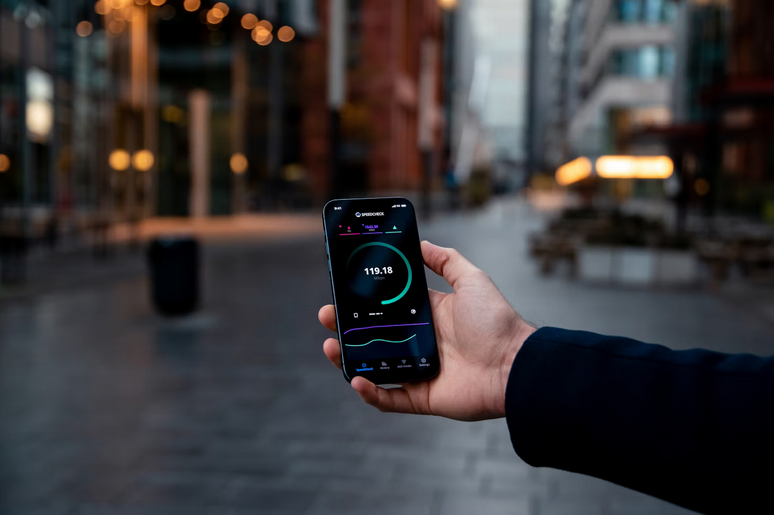
In the simplest terms, 5G is the fifth generation of wireless technology, designed to be much faster and more efficient than its predecessor, 4G LTE. While 4G LTE gave us the ability to stream HD video, make video calls, and game on the go, 5G is taking things to the next level. Imagine downloading a movie in just a few seconds or playing a multiplayer game with zero lag. But it’s not just about speed. 5G is expected to support many connected devices, which means your home, car, and city will become even smarter in ways we’re just beginning to imagine.
Faster Speeds and Better Connectivity
Let’s start with the most obvious benefit: speed. 5G is expected to be 10 to 100 times faster than 4G LTE, meaning your device will connect quicker, and data transfer will be almost instantaneous. Imagine browsing the web without delays or downloading huge files in a fraction of the time it currently takes. Even streaming in 4K, which can sometimes buffer on 4G networks, will become smooth and effortless. Whether you’re watching Netflix, gaming online, or video chatting with friends, 5G will provide a more seamless experience.
More Devices, No Problem
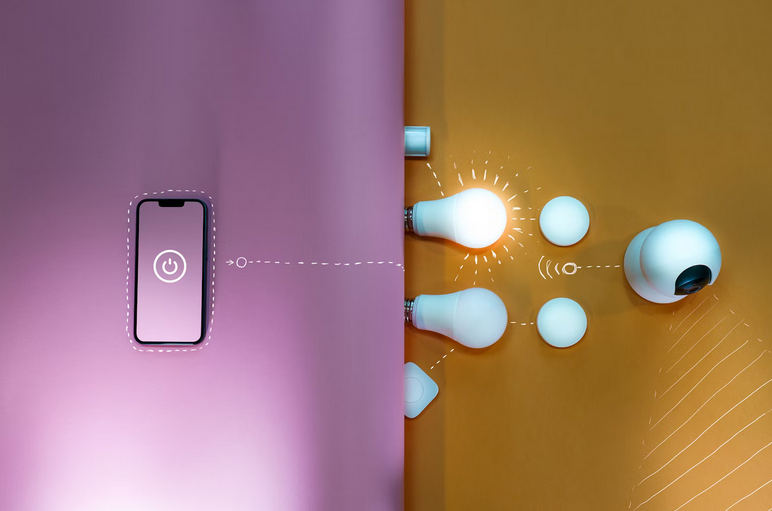
In our increasingly connected world, it’s not just your phone that’s using the network—your smart TV, smartwatch, security cameras, and even your fridge might be online. With 5G, the network can handle more devices without slowing down or becoming congested. This is huge for smart homes and businesses that rely on multiple connected gadgets. This means your devices will function more smoothly for users, even when everything is running simultaneously. No more dropped connections or slowdowns when your house is full of smart devices.
Lower Latency for Real-Time Reactions
Latency can be a huge issue if you’re a gamer or someone who works with real-time data (like a stock trader or a remote worker). Latency is the delay between sending a command and the action taking place. In gaming, this could mean the difference between winning and losing. 5G offers significantly lower latency than 4G, meaning almost no delay in sending and receiving data. This will be a game-changer for anyone relying on fast, real-time reactions, whether for gaming, virtual reality, or high-precision work tasks.
A Boost for Smart Tech and IoT Devices
5G is also set to supercharge the Internet of Things (IoT). IoT refers to the network of devices communicating with each other—everything from smart thermostats and lights to self-driving cars and drones. With the faster speeds and increased capacity of 5G, these devices will be able to operate even more efficiently and work together seamlessly. For example, in smart cities, traffic lights could communicate with cars to optimize traffic flow, reducing congestion and saving time. In your home, your smart devices will communicate more quickly, making things like voice commands or smart automation faster and more reliable.
The Future of Augmented Reality (AR) and Virtual Reality (VR)

Augmented and virtual reality are expected to take off with the arrival of 5G. These technologies require a huge amount of data to function smoothly, which 4G networks often struggle to provide. With 5G, AR and VR experiences will become much more immersive and realistic. Whether it’s virtual shopping, attending concerts from the comfort of your home, or enhancing education with immersive learning …

 Caller ID provides a crucial layer of protection against unknown callers with malicious intentions. With caller ID, you can easily identify incoming calls from unfamiliar numbers before answering them. This allows you to make an informed decision about whether or not to pick up the call. By screening your calls this way, you can avoid scams or unwanted solicitations that could compromise your personal information. Caller ID also helps in preventing harassment or nuisance calls. If you receive repeated calls from an unwanted number, seeing the caller’s identity displayed on your screen empowers you to act appropriately, such as blocking the number or reporting it to authorities if necessary.
 The major advantage of using a caller ID is the potential for cost savings. By being able to identify incoming calls, you can choose whether or not to answer them based on their

 The first consideration when integrating business applications is data compatibility. Before incorporating any applications, you should ensure the data they use are compatible and that they can adequately exchange information. This includes ensuring the formats, technology standards, and structures of both applications are compatible. If not, it could lead to errors or slow system performance.
 Finally, when integrating business applications, consider the scalability of the system. As your business grows and needs change, you should ensure that the integrated applications can scale to meet those demands. This includes providing they can handle large data sets and process transactions quickly while maintaining high accuracy. By evaluating your system’s scalability, you can ensure that it will remain reliable and effective as your business grows.
 We’re starting out with the most obvious benefit: medical alert systems prevent deaths. When every second counts, having a system in place that can immediately summon help can be the difference between life and death. In one case study, an older woman fell in her home and could not get up. She had a medical alert system with a fall detection feature, which automatically detected her fall and called for help. EMS arrived within minutes and was able to get her the treatment she needed, saving her life.
 Not only do medical alert systems improve the quality of life for seniors, but they also improve the quality of life for their families. With a medical alert system in place, families can relax and enjoy their time together without constantly worrying about their loved one’s safety. In one study, caregivers of seniors with medical alert systems reported feeling less stress and anxiety. They also felt more confident in their loved one’s ability to live independently and had more peace of mind.
 There are many different types of medical alert systems. Before you begin looking into the best life alert system for your family, it’s essential to determine what kind of service will suit their needs most efficiently. Aside from that, there are several features that you need to consider getting. The device should have superior mobile technology, location services (GPS tracker), wellness support, and fall detection. This way, you will always know where your family member is if they are feeling unwell or in danger of falling, and when the best time to call for help would be.
 Most medical alert systems are paid monthly. Some offer free-fall detection, while others include text messaging and email alerts for no extra charge. While this is usually standard across the board with these devices, there may be some exceptions based on your location or provider. Make sure that you do not pay any activation fees when making your purchase.
 Technology can help with effective communication and collaboration between different team members. This is especially important for data management, as other team members need to access and work on the same data sets. Team members can easily communicate and collaborate by using technology, regardless of their location. This also helps to ensure that the latest data is available to all relevant team members. This technology-enabled collaboration can also improve team productivity and efficiency.
 Using technology for your data management solutions allows you to receive automatic updates whenever changes are made to your data. This ensures that your data is always up-to-date and accurate. You will be secured the data are updated same time to time. In additon, technology can help you easily update your data without having a team of employees doing it manually because manual updates are not efficient and outdated since humans cannot be relied on for accuracy or keeping up with the changes in real-time.